Every few years, a global crisis forces energy security back to the top of the political agenda. The pattern is all too familiar.
A geopolitical shock disrupts supply chains, prices spike, governments scramble to stabilise markets, and suddenly the conversation shifts from short-term affordability to long-term resilience. Then, as markets stabilise, the urgency fades, until the next crisis. But the lesson remains the same: energy independence and energy security are inseparable from the transition to renewable energy.
The UK’s Energy Security Reality
The UK has made significant progress in de-carbonising electricity generation. Wind, solar and other renewables now play a central role in the national energy mix. Yet the system still faces structural vulnerabilities.
- Continued exposure to volatile global gas markets.
- Dependence on imported fuels
- Infrastructure designed for a different energy era
The energy shocks triggered by events such as the war in Ukraine,, as well as the current conflict in the middle east, highlight just how exposed many European energy systems remain to geopolitical events. When fossil fuel prices surge, households and businesses feel the impact almost immediately. Renewables, by contrast, have a fundamentally different economic profile. Once built, they are not dependent on global fuel markets, and their operating costs remain stable over time. That stability is increasingly recognised as a strategic asset, not just an environmental benefit.
Renewable Energy as a Security Strategy
Renewable energy is often framed as a climate policy. But it is increasingly clear that it is also a national security policy. A diversified energy system powered by domestic renewable resources offers several advantages
Reduced geopolitical exposure
Domestic energy generation reduces dependence on imported fuels.
Price stability
Renewables have predictable operating costs once infrastructure is in place.
System resilience
A distributed network of renewable generation reduces the risks associated with centralised energy infrastructure.
Economic opportunity
Investment in clean energy creates domestic jobs, technology development and industrial growth. In this sense, renewable energy should not be viewed as a trade-off between sustainability and security. The two goals are increasingly aligned.
Why Crises Drive Change
Historically, major energy transitions have accelerated during periods of crisis. Energy shocks expose the fragility of existing systems and make the cost of inaction visible. Political and public momentum that might normally take decades to mature, suddenly accelerate over a few months.
However, relying on crises to drive progress is inefficient and costly. Policy cycles driven by short-term shocks risk delaying the long-term investments required to build a resilient energy system. The real challenge is maintaining momentum after the crisis fades from the headlines.
The Next Phase of the Energy Transition
The next phase of the UK's energy transition will not simply be about installing more renewable capacity. It will require investment in:
- Grid infrastructure
- Energy storage
- Flexible demand systems
- Smart networks
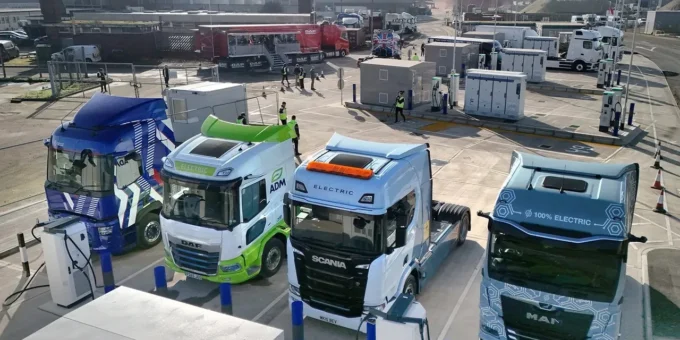
- Electrification of transport and industry
These are the systems that allow renewable energy to operate reliably at scale. The transition is not just about technology, it is about building an energy system designed for the realities of the 21st century.
A Strategic Choice
Energy security is often framed as a defensive issue, protecting the country from external shocks, but the transition to renewable energy offers something more than protection. It offers the opportunity to build a more resilient, stable and domestically powered energy system. The question is not whether the UK will continue transitioning toward renewables, the real question is whether we act with urgency before the next global crisis forces our hand again?
Your views, as always, are more than welcome and if you would like an informal chat about opportunities around renewable strategies drop an email to our resident expert Richard richard@syzygyconsulting.eu